The Concept of the House Edge
One of the fundamental principles of casino gaming is the house edge, which refers to the mathematical advantage that the casino holds over players. This advantage ensures that, over time, the casino will always make a profit. Games are designed with certain built-in odds that favor the house, meaning that while players can experience short-term wins, the overall statistical likelihood is that they will lose in the long run. For those considering alternatives, exploring no kyc casinos might provide interesting insights into different gaming experiences. Understanding the house edge is vital for anyone looking to engage in casino games, as it shapes the dynamics of gameplay and betting strategies.
Take blackjack, for instance, where the house edge can be as low as 0.5% if a player employs optimal strategy. However, if players deviate from that strategy, the house edge can quickly increase. Similarly, in games like roulette, the presence of zero or double zero slots gives the house an edge that fundamentally alters the player’s chances. By being aware of the house edge in different games, players can develop a better understanding of where their odds are more favorable and where they may want to exercise caution.
Ultimately, the house edge is a crucial factor that offers insight into the mechanics of casino games. While players may have occasional wins that provide the illusion of being able to beat the house, the statistics are clear: in the long run, the house always wins. This doesn’t mean that players shouldn’t engage in games, but rather that they should be mindful of the inherent risks and operate with an understanding of the odds stacked against them.
Strategies for Beating the House
While the house edge is a fundamental concept in understanding casino games, players often search for strategies that might help them overcome this advantage. Strategies can vary significantly depending on the game, but many revolve around smart betting practices. For example, players may use betting systems like Martingale, where they double their bet after each loss. While this can work in theory, it requires a substantial bankroll and can lead to devastating losses if a player encounters a long losing streak.
Another approach is to utilize strategies that involve skill, particularly in games like poker or blackjack. In blackjack, for instance, card counting can provide a player with valuable information about the remaining cards, thus allowing them to make more informed betting decisions. However, this strategy requires extensive practice, a keen understanding of the game, and the ability to avoid detection by casino staff, as most establishments frown upon this practice.

Ultimately, while employing specific strategies may improve a player’s odds in the short term, they cannot fully eliminate the house edge. Players must recognize that while certain techniques may yield better outcomes, these strategies may not change the overarching reality of the game. Understanding the limits of these strategies is essential to maintaining a realistic perspective on winning at the casino.
The Role of Luck in Casino Games
Luck plays an essential role in casino gaming and is often the driving factor behind a player’s experience. While skill and strategy can enhance a player’s chances, the element of chance cannot be underestimated. Many games, particularly slot machines and roulette, are purely luck-based, meaning outcomes are entirely random. This randomness adds to the thrill of gaming, as players can win big or lose everything in an instant.
Consider the excitement of a high-stakes game of craps, where the outcome relies heavily on the roll of the dice. A player can employ strategies for betting, but ultimately, the randomness of the dice determines the outcome. This unpredictability can lead to exhilarating highs when players win, but it also serves as a reminder that they can just as easily lose, underscoring the importance of responsible gaming.
The interplay of luck and skill is complex, and while some players may develop a knack for certain games, the reality remains: luck cannot be controlled. Players must learn to embrace the unpredictable nature of casino gaming, understanding that their experience is shaped not only by their actions but also by the whims of chance. This appreciation for luck is crucial in enabling players to enjoy the gaming experience without becoming overly fixated on winning.
The Psychological Aspect of Gambling
Gambling is not just a game of chance; it also involves psychological factors that can influence a player’s behavior and decision-making. Many players experience what is known as the “gambler’s fallacy,” a belief that past results influence future outcomes. For instance, a player might think they are “due” for a win after a series of losses, which can lead to riskier betting and potentially greater losses. Understanding these psychological tendencies can help players maintain a healthier perspective while gaming.
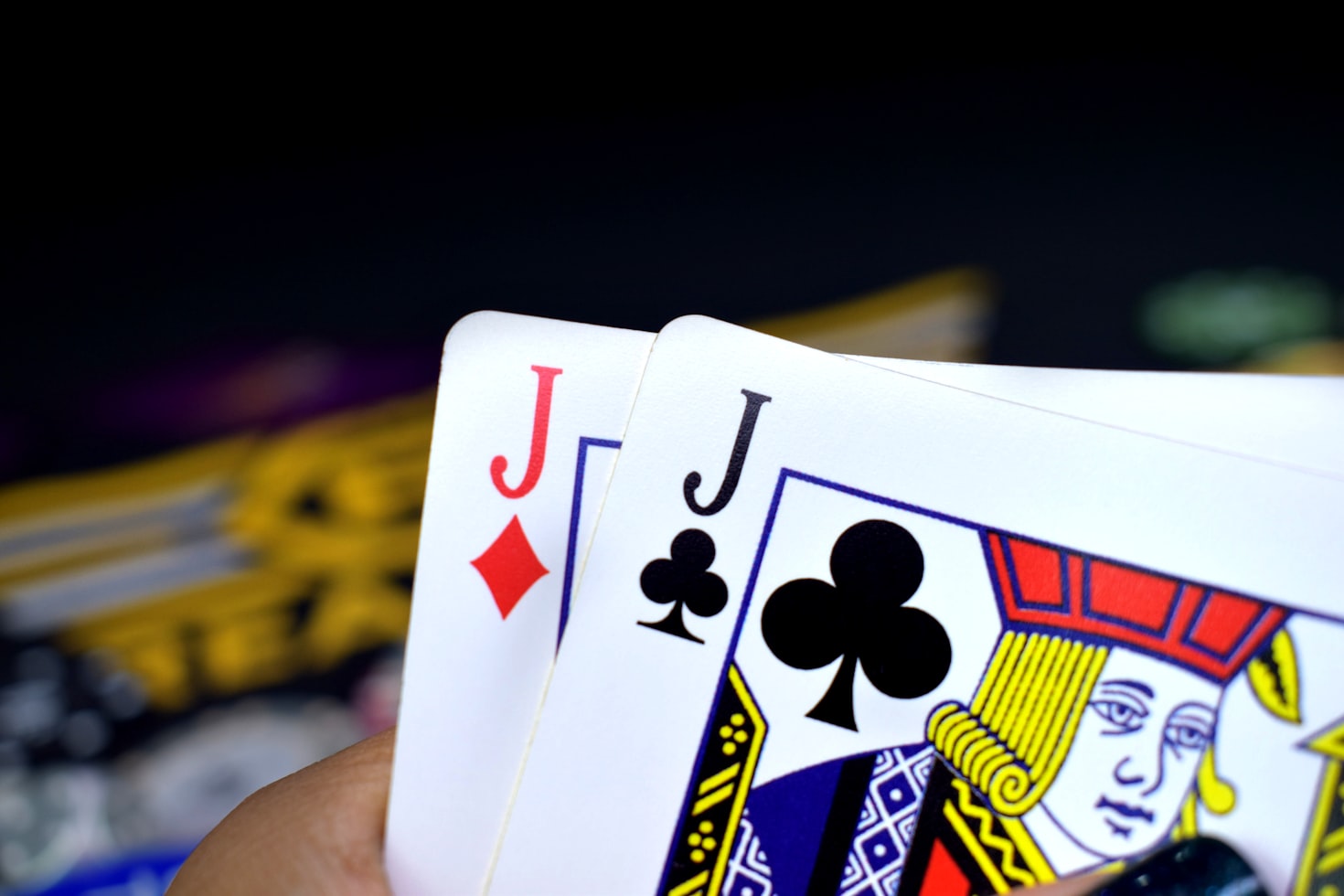
The thrill of gambling often comes with an adrenaline rush that can be addictive. A player may find themselves drawn to the excitement of potentially winning large sums of money, and this can cloud their judgment. Recognizing the signs of addiction and understanding the emotional highs and lows associated with gambling is vital for any player. Responsible gambling practices, such as setting limits on time and spending, can help mitigate these psychological effects.
Furthermore, social factors play a significant role, as many enjoy the communal atmosphere of casinos. The environment, people, and sense of competition can all heighten emotions and influence players’ decisions. Being mindful of these psychological dynamics and their effects can empower players to engage with gambling in a way that prioritizes enjoyment and minimizes risk.
Conclusion on Beating the House
Discussing the notion of beating the house is complex, as it involves understanding various layers such as the house edge, strategies, luck, and the psychological impacts of gambling. While players can employ strategies and experience moments of luck, the reality is that the casino’s structure is designed to favor the house in the long run. Players need to approach gaming with realistic expectations, accepting the inherent risks involved.
Ultimately, those who understand the dynamics of casino gaming can enjoy it responsibly and view it as a form of entertainment rather than a guaranteed path to riches. By embracing the thrill of the game, acknowledging the limits of strategies, and remaining aware of psychological factors, players can create a fulfilling gaming experience. Casinos will always have the house edge, but with the right mindset, players can engage in a manner that enhances their enjoyment.
For more insights and tips on responsible gaming, you can explore additional resources and guides available online. Knowledge is an invaluable asset in enhancing your approach to gaming, whether as a casual player or someone looking to enjoy their time at the casino. Remember to play smart, stay informed, and have fun while engaging in your favorite games.